Bombardier Learjet 60XR Charter
Published · Updated
The Bombardier Learjet 60XR is the performance midsize — a strong climber with a 51,000-foot ceiling and a brisk 466-knot cruise. Less cabin than its rivals, more speed and altitude. A spirited choice for this run.
- 2,405 nm range
- 466 ktas cruise
- 6–7 passengers
Estimated pricing for planning — your account manager confirms the final quote.

Private charters between New York and Miami typically depart from Teterboro Airport (TEB), Westchester County Airport (HPN), Morristown Municipal Airport (MMU), or Republic Airport (FRG) and arrive at Miami-Opa Locka Executive Airport (OPF), Fort Lauderdale Executive Airport (FXE), Miami International Airport (MIA), or Boca Raton Airport (BCT).
Learjet 60XR specifications
Manufacturer performance figures — Bombardier.
- 2,405 nm
- Max range
- 466 ktas
- Cruise speed
- 6–7
- Passengers
- 5 ft 8 in
- Cabin height
- 59 cu ft
- Luggage
- 51,000 ft
- Service ceiling
The 60XR on the route
A 2,405-nautical-mile range covers the 950 miles with margin, and a Mach 0.81 cruise puts the flight at about two and a quarter hours. Its quick climb to a 51,000-foot ceiling puts it above much of the weather early in the flight.
Cabin and luggage
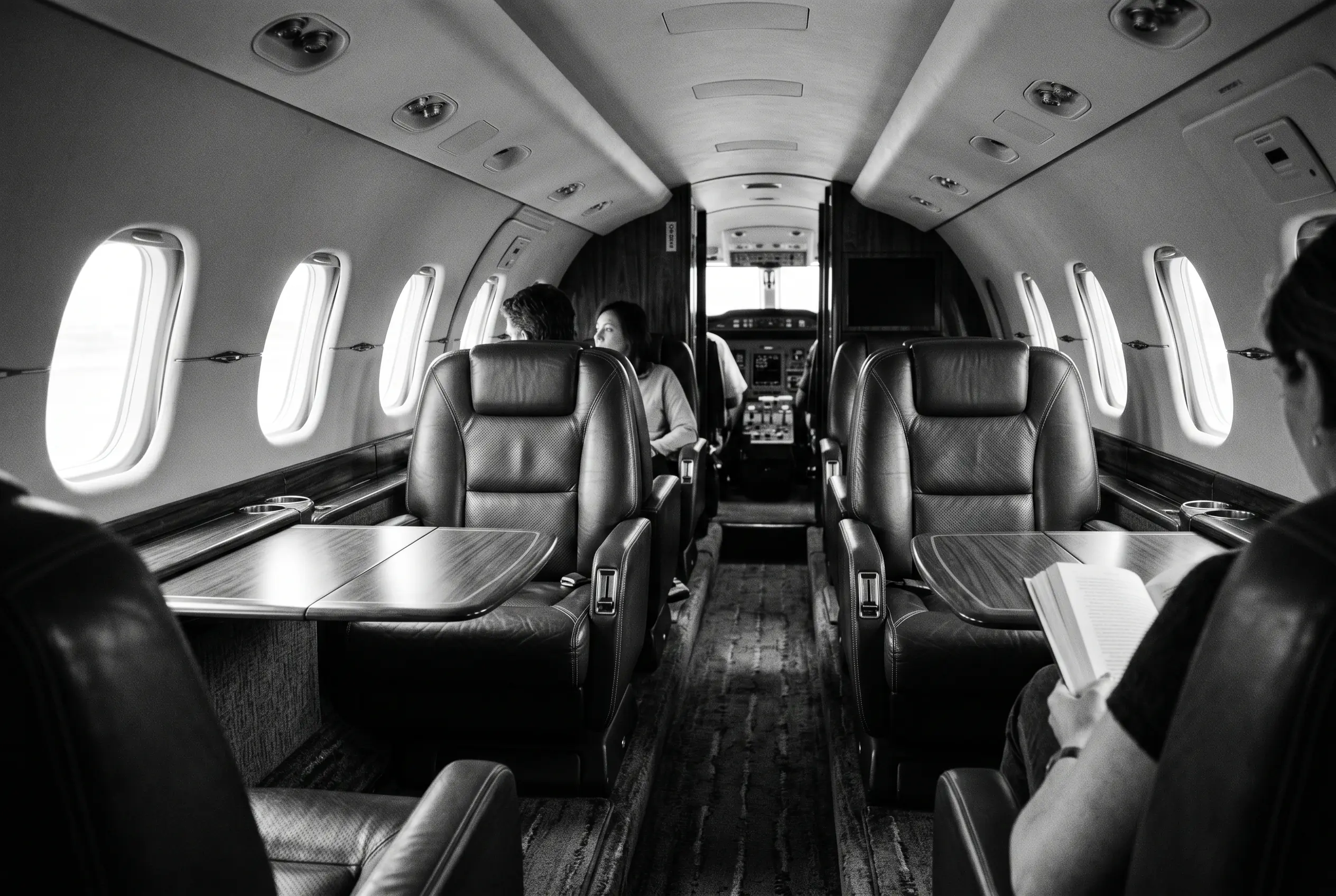
A 17-foot-7 cabin seats six to seven with full five-foot-eight standing height and an enclosed lavatory, and a 59-cubic-foot hold suits a small group on the trip south.
Why travelers choose it
- A fast climber with a 51,000-foot ceiling
- A brisk 466-knot cruise
- A stand-up cabin with an enclosed lavatory
- Nonstop New York to Miami in about 2.25 hours
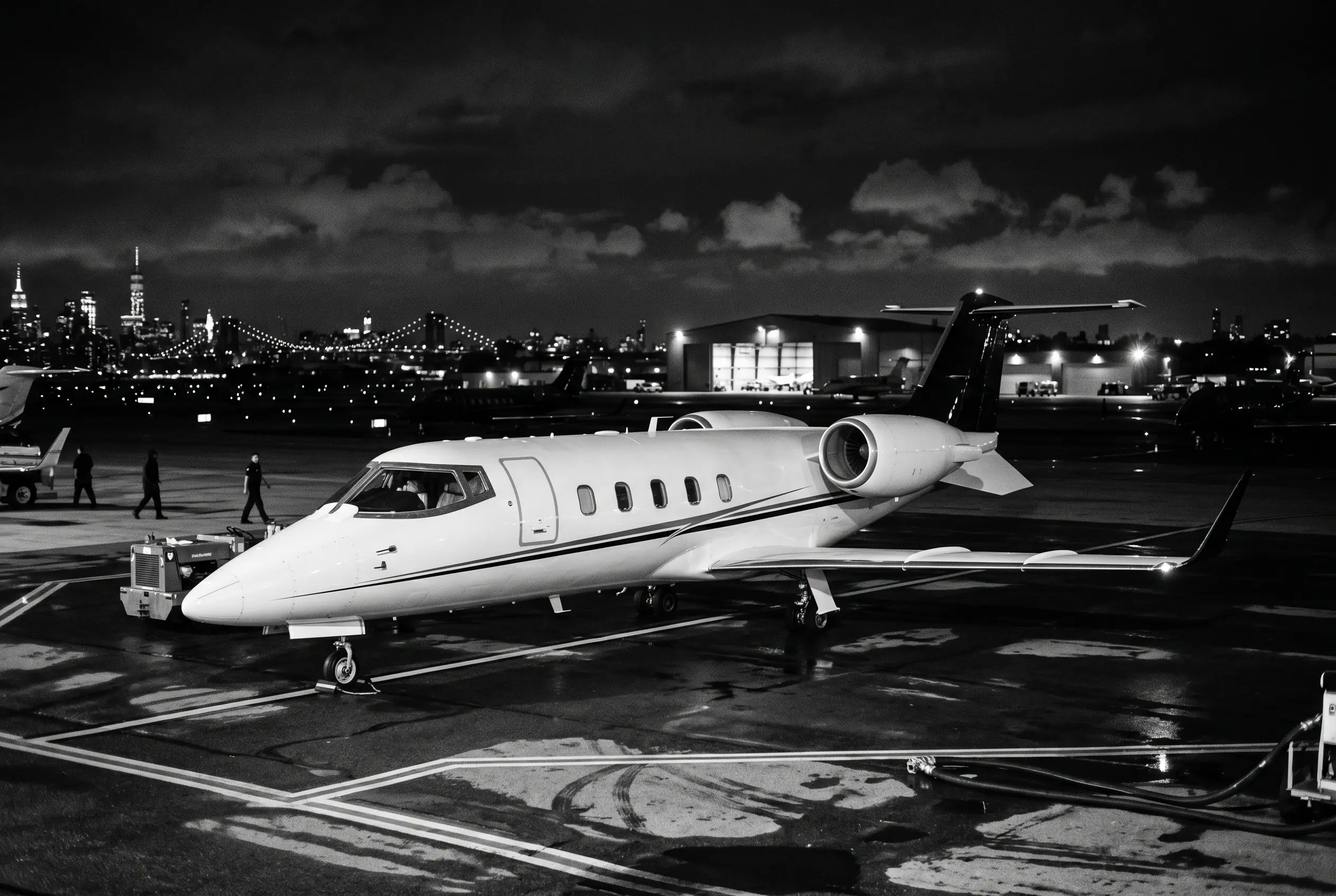
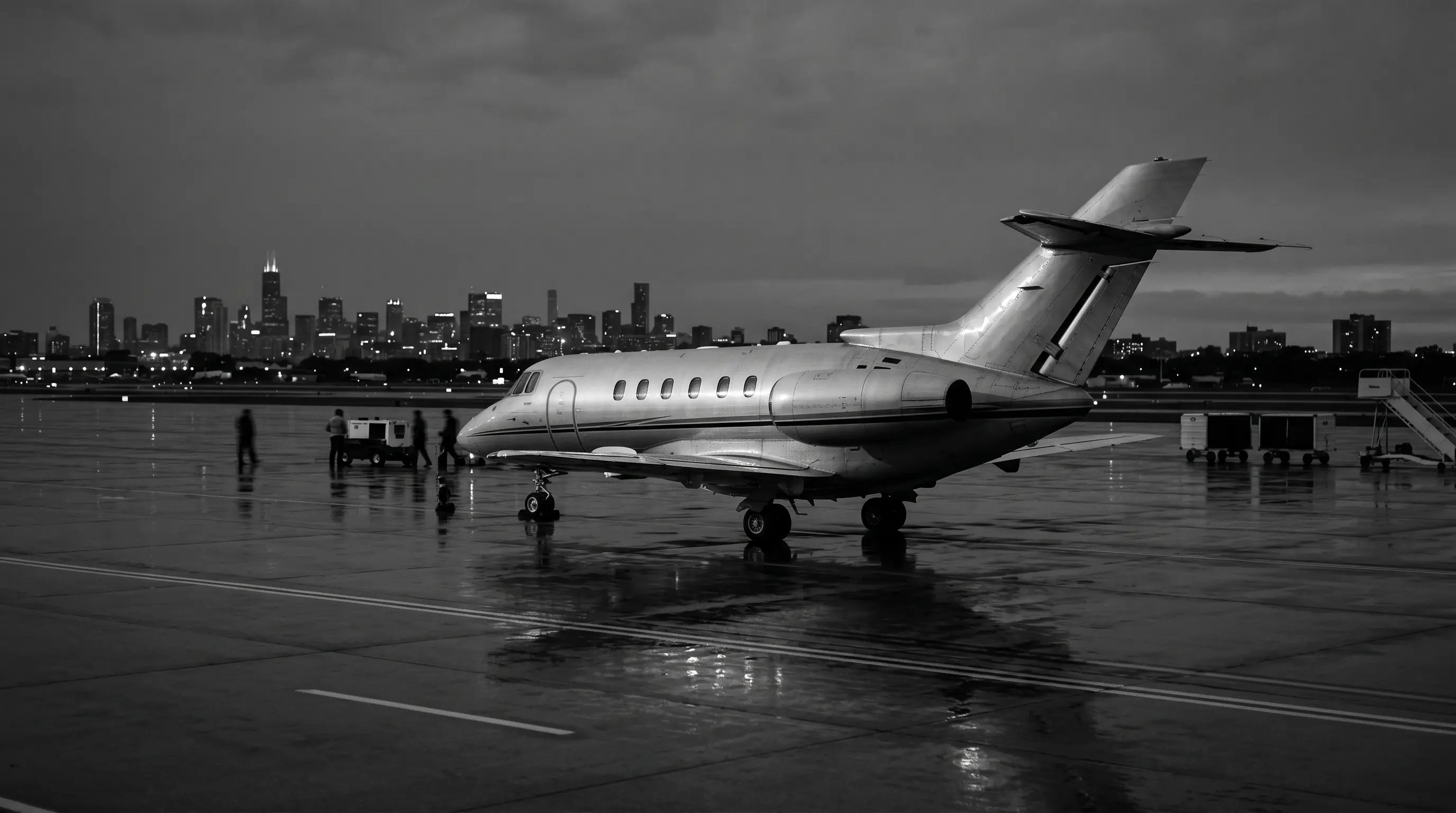
The Learjet 60XR, inside and out



Charter services for the New York–Miami route

Frequently asked questions
What does a Learjet 60XR to Miami cost?
A one-way Learjet 60XR charter is typically $19,000 to $28,000 (estimated), by date and availability, with fuel, fees, and taxes included.
How many seats?
Six to seven in a typical layout, with up to eight certified — comfortable for a small group New York to Miami.
Nonstop?
Yes, with margin. Its 2,405-nautical-mile range covers the 950-mile leg in about two and a quarter hours.
What is its strength?
Speed and climb — a 466-knot cruise and a quick climb to a 51,000-foot ceiling, trading a little cabin width for performance.
Ready to fly New York to Miami?
Send your dates and party size for estimated pricing across suitable aircraft — typically within two hours, with no obligation.
 +1 (332) 290-1479